Furniture care
Sideboard and Buffet Cabinet Removal in Dubai: Dining Storage Guide
How to clear and dispose of sideboards, buffet cabinets, and credenzas in Dubai. Heavy marble tops, glass shelves, lift handling, and responsible recycling.
Updated 10 min readBy the TakeJunk Dubai team
Key takeaways
- Dining sideboards and credenzas frequently exceed two metres in length and ninety kilograms, requiring multi-technician lifting teams.
- Natural Italian marble and composite stone countertops must be detached and carried vertically on edge to prevent horizontal fracture.
- Tempered glass shelves and glazed cabinet doors must be removed, bubble-wrapped, and packed separately before navigating corridors.
- Dubai Municipality bulky waste collection will not dismantle dining cabinetry, enter private residences, or service private master developments.
- Clearance specialists separate solid hardwoods, composite board, stone countertops, glass, and brass hardware for licensed UAE recycling.
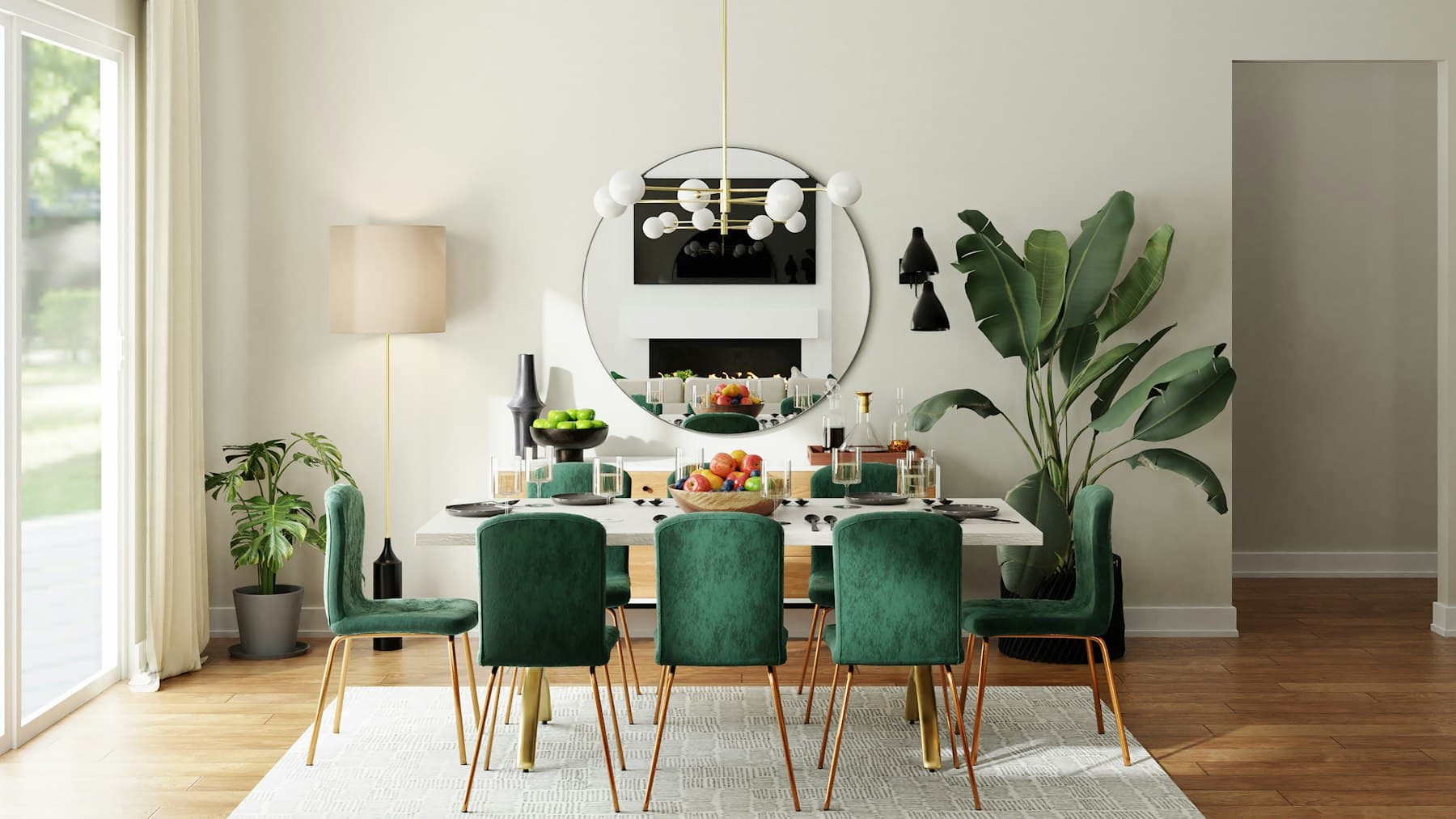
In formal dining salons, open-plan living areas, and expansive luxury residences across Dubai, from Emirates Hills and Palm Jumeirah to Downtown Dubai, Dubai Hills Estate, and Arabian Ranches, sideboards, buffet cabinets, and dining credenzas serve as prestigious architectural centerpieces. Designed to store fine chinaware, cutlery, silver service platters, and entertaining linens, these substantial furnishings unite aesthetic beauty with expansive storage capacity. However, when homeowners downsize, remodel dining interiors, or arrange an end-of-tenancy relocation, managing sideboard disposal dubai residents frequently realize presents formidable physical and logistical hurdles. Premium dining sideboards often measure between 180 and 240 centimetres in horizontal length and easily exceed 100 kilograms when crafted from solid mahogany, walnut, or engineered timber with natural stone surfaces. Carrying these immense monolithic cabinets through elevator vestibules without dismantling leads to chipped marble corners, gouged doorframes, and scratched porcelain tiles. This comprehensive guide covers professional unbolting, vertical marble transit, service elevator bookings, municipal collection limitations, and certified furniture recycling across Dubai.
Why dining sideboards and buffet credenzas require specialist removal
Clearing a large dining room buffet, vitrine credenza, or marble-topped server involves complex physical, structural, and architectural factors that demand professional expertise:
- Immense weight and monolithic dimensions: A solid hardwood or heavy veneer sideboard typically weighs between 75 and 120 kilograms. Units fitted with thick Italian Carrara or Nero Marquina marble tops can weigh well over 150 kilograms. Attempting to maneuver such weight without industrial lifting straps and moving dollies risks severe spinal strain and floor damage.
- Fragile natural stone countertops: Many luxury buffets feature heavy stone, travertine, or quartz top slabs that rest on the wooden carcass with locating dowels or adhesive silicone beads. If moved horizontally while attached, flex in the timber base causes the stone slab to snap in half under tensile stress.
- Delicate tempered glass doors and internal shelving: Modern display credenzas often feature bevelled glass panel doors, interior glass shelving, and integrated low-voltage LED puck spotlights. Carrying an assembled cabinet subjects the chassis to torsional twist, which can shatter internal glass shelves violently.
- Long horizontal spans exceeding elevator cabs: Measuring two metres or more in length, wide sideboards cannot fit into standard passenger elevators horizontally. Navigating them into service elevators requires standing them vertically on padded ends, demanding absolute control and ceiling height clearance.
- Intricate joinery and soft-close hardware: Fine dining furniture incorporates concealed European hinges, magnetic push-latches, and undermount soft-close drawer glides. Forcing doors or drawers during an amateur move strips mounting screws and ruins the piece for potential charitable donation.
For careful, damage-free removal, consult our specialist luxury furniture removal and dining table and chair removal teams who have handled high-value furniture across Dubai's most prestigious communities.
Classifying dining storage furniture across Dubai residences
Homes and penthouses throughout Dubai feature diverse dining room storage styles, each requiring dedicated dismantling and transport procedures:
1. Contemporary lowline credenzas and minimalist servers
Popular in high-rise apartments across Downtown Dubai and Dubai Marina, these streamlined units feature sleek push-to-open handleless doors and slender steel or brass hairpin legs. While compact in height (typically 70 to 80 centimetres), their wide horizontal spans require unbolting metal base frames and removing internal shelves before transport.
2. Heavy marble-topped Italian dining buffets
Widely selected for luxury villas in Palm Jumeirah and Emirates Hills, these opulent buffets combine high-gloss polyester lacquered carcasses with 20- to 30-millimetre solid stone countertops. Dismantling requires carefully slicing silicone bonding seals, lifting the stone slab with professional glass suction lifters, and packaging the top in rigid wooden crating.
3. Classic solid mahogany and oak formal sideboards
Common in spacious family villas throughout Arabian Ranches and The Meadows, these traditional colonial and antique sideboards feature solid timber construction, carved pilasters, brass pull handles, and deep baize-lined cutlery drawers. Because their solid wood frame cannot be broken down into flat panels, all drawers, doors, and shelves must be removed to lighten the core chassis.
4. Multi-tiered dining vitrines and display cabinets with glass hutches
Consisting of a lower enclosed storage sideboard topped with an illuminated upper glass display hutch, these two-piece units stand over two metres tall. Removal requires disconnecting internal wiring, unbolting rear mending plates connecting the upper hutch to the lower buffet, and transporting the sections separately. For dedicated standalone showcases and crystal vitrines, see our specialist guide on display cabinet and vitrine removal in Dubai.
Step-by-step: how professionals dismantle and clear dining sideboards
Experienced clearance teams execute an eight-step deconstruction protocol to guarantee smooth, scratch-free removal of heavy dining room cabinets:
- Completely clear internal contents: Remove all chinaware, crystal glassware, flatware trays, and table linens from all cupboards and drawers. Check hidden cutlery inserts to ensure no family heirlooms are left behind.
- Remove loose glass shelving and brackets: Lift tempered glass interior shelves from their rubber-cushioned support pins. Wrap each glass shelf individually in thick corrugated bubble wrap, labeling and bundling them flat.
- Detach and pack glazed or solid cabinet doors: Depress the quick-release clips on the concealed European cup hinges, or back out hinge mounting screws to detach all front doors. Secure doors in protective moving blankets to protect finishes.
- Extract all sliding drawers: Extend drawers fully, disengage undermount release levers or side glide safety catches, and set drawer boxes aside on clean foam pads.
- Detach independent stone or marble tops: Where applicable, locate interior securing angle brackets or slice flexible silicone beads along the top rim. Using industrial suction cups, lift the stone slab upward and immediately rotate it ninety degrees into a vertical orientation.
- Unbolt supporting leg frames or plinths: If the sideboard stands on removable metal trestle legs or a screw-on plinth base, invert the carcass onto padded moving blankets and back out structural lag bolts.
- Wrap carcass corners and secure on dollies: Cocoon the empty timber chassis in thick quilted furniture pads secured with stretch film. Rest the cabinet on four-wheel heavy-duty rubberised dollies.
- Navigate service elevators and loading bays: Roll the sideboard smoothly along residential corridors and into the padded freight lift, using two technicians to guide the corners through door thresholds.
Protecting luxury villa flooring and architectural finishes
In luxury residences across Dubai, moving heavy dining cabinetry poses severe risks to expensive architectural finishes if appropriate site precautions are ignored:
- Polished Italian marble and travertine tiles: Soft natural stone flooring can easily be scratched or gouged by dragging furniture feet or grit trapped beneath standard wheels. Removal teams lay neoprene floor runners and heavy corrugated floor protection sheets across transit paths.
- Engineered hardwood parquet flooring: Heavy point-loads from narrow metal cabinet legs can create permanent dents in soft European oak parquet. Technicians place rubber load-distribution plates beneath feet before shifting the piece.
- Decorative door casings and wallpaper: Dining room entrance portals often feature ornate wood architraves or delicate fabric wall coverings. Technicians attach padded door jamb protectors to doorframes to eliminate accidental impact damage.
For broader insights into handling delicate domestic furnishings, read our guide on how professionals move luxury furniture without damage and our comprehensive estate clearance in Dubai.
Why municipal bulky waste collection is unsuitable for sideboards
Many property owners enquire whether Dubai Municipality's complimentary bulky waste collection service can remove an unwanted sideboard. While municipal waste management provides important public services, published guidelines on dm.gov.ae present fundamental barriers for dining furniture removal:
- No indoor access or disassembly labour: Dubai Municipality collection workers do not enter private homes. They do not remove marble tops, take off glass doors, or carry heavy wooden furniture through residential hallways. The resident is solely responsible for hauling the furniture down to the kerb.
- Exclusion of private master communities: The municipal service does not operate within private master developments managed by developers like Emaar, Nakheel, DAMAC, or Dubai Properties, nor does it cover free zones like DIFC or Dubai Silicon Oasis.
- Severe compaction vehicle hazards: Municipal collection vehicles employ heavy hydraulic compaction mechanisms. If a sideboard containing glass panels, marble slabs, or heavy steel runners is placed in the compaction hopper, the materials shatter unpredictably, risking injury to municipal workers and causing collection rejection.
- Strict route scheduling delays: Booking a municipal collection slot via Dubai 24/7 channels requires several days of advance coordination, making it impossible to meet urgent tenancy handover or lease renewal deadlines.
If your dining room makeover includes matching dining suites, consult our dedicated guide on how to dispose of a dining table and chairs in Dubai.
Sustainable material recovery and circular economy practices
Under the Dubai Waste Management Strategy 2041 and the UAE Circular Economy Policy, sustainable clearance practices focus on maximising resource recovery and diverting furniture materials away from landfill sites. Large dining sideboards offer exceptional resource recovery potential:
- Reclaimed solid timber recovery: High-grade oak, walnut, teak, and mahogany timber retrieved from dining buffets are salvaged and delivered to local carpentry workshops for upcycling, custom joinery, and architectural restoration.
- Engineered wood recycling: Composite particleboard and MDF carcasses are routed to certified UAE wood processing facilities, where industrial chippers break down panels into wood chips used for composite board manufacturing, landscape mulch, and biomass fuel.
- Natural marble and stone repurposing: Intact marble and granite countertops are cut and repurposed by local stonemasons into vanity surfaces, coffee table tops, or decorative mosaic tiles.
- Glass cullet recycling: Tempered glass shelves and glazed door inserts are segregated, crushed into cullet, and remelted into industrial glass containers or blended into eco-friendly decorative road aggregates.
- Scrap metal recovery: High-grade brass handles, zinc alloy cam locks, steel screws, and soft-close drawer runners are sorted magnetically and delivered to licensed UAE foundries for smelting.
Coordinating building permits and freight lift reservations
To guarantee smooth, hassle-free removal of your dining storage cabinetry from Dubai residential towers and gated communities, complete these essential administrative steps:
- Reserve the service elevator cab: Contact your tower's facilities management office 24 to 48 hours prior to secure an exclusive two-hour service lift booking, ensuring the elevator walls are protected with canvas padding.
- Obtain community gate passes: For gated communities like Dubai Hills Estate, Arabian Ranches, and Palm Jumeirah, register clearance contractor vehicle plates and crew Emirates ID cards through your resident portal.
- Clear the hallway pathway: Remove decorative floor runners, dining chairs, and console tables along the route from your dining area to the exit door.
- Verify loading dock access: Ensure your building's basement loading bay can accommodate our removal vehicle, which typically requires 2.1 to 2.4 metres of vertical clearance.
Whether you need a single outdated credenza cleared from an apartment or complete furniture removal across a large dining salon, our experienced, uniformed crew delivers flawless, professional service throughout Dubai.
Frequently asked questions
Can Dubai Municipality collect a dining sideboard from inside my residence?
No. Dubai Municipality bulky waste staff do not enter homes, detach marble countertops, or carry furniture through apartment corridors. Property owners must carry items down to the kerb or book a private clearance team to handle indoor labour.
Do your technicians remove marble tops and glass shelves before moving?
Yes. Our team carries specialised suction lifters, screwdrivers, and protective padding to carefully unbolt marble tops, remove glass shelving, and wrap all fragile components separately to prevent damage during transit.
How do you transport a long sideboard that cannot fit horizontally into an elevator?
We strip all doors, drawers, shelves, and base legs to lighten the piece, wrap the carcass in heavy quilted moving blankets, and stand the unit vertically on padded ends inside the freight elevator under complete control.
Can I leave an unwanted sideboard in the communal corridor outside my apartment?
No. Dubai Civil Defence regulations strictly prohibit placing furniture in residential corridors or fire escape paths. Violations result in immediate building management fines and deductions from your tenancy security deposit.
What happens to the sideboard after your team collects it in Dubai?
Sideboards in good structural condition are donated to registered UAE charitable organisations. Damaged pieces are deconstructed into timber, metals, stone, and glass for certified processing at licensed UAE recycling centers.
Can your crew clear a dining table, chairs, and sideboard at the same time?
Yes. We frequently clear full dining room suites in a single appointment, including tables, chairs, display vitrines, and sideboards. Send photos of all items via WhatsApp for a comprehensive fixed price.
How quickly can you arrange collection for a sideboard in Dubai?
We provide same-day and next-day collection slots seven days a week across Dubai. Send photos of the sideboard to our team on WhatsApp to confirm availability and receive an upfront fixed price.
Want us to handle it?
Send a few photos on WhatsApp and we'll reply with a fixed price. Same-day pickups across Dubai, 7 days a week, 6:00 AM – 11:00 PM.