Guides
Sell, Donate or Dispose? What to Do With Old Furniture in Dubai
Not sure what to do with old furniture? How to decide whether to sell, donate or dispose of each piece in Dubai — including free options and when they work.
Updated 9 min readBy the TakeJunk Dubai team
Key takeaways
- Sell pieces you'd happily buy again today; donate clean, working items that won't sell; dispose of anything broken or stained.
- Large furniture sells slowly — list early and set a firm deadline.
- Dubai Municipality's free bulky-waste collection doesn't cover real-estate development zones and free zones.
- Most homes end up with a mix of all three, so sort early and book one collection for whatever is left.
To decide what to do with old furniture in Dubai, ask one question about each piece: would someone happily buy this today? If yes, sell it. If it's clean and working but won't fetch much, donate it. If it's broken, stained or damaged, dispose of it responsibly — through Dubai Municipality's free bulky-waste service where your area is covered, or a private furniture pickup that collects from inside your home. Upgrading, moving and downsizing almost always leave you with a mix of all three, so this guide shows you how to sort quickly and avoid a last-minute scramble.
A simple three-question test
Go room by room and run every piece through these questions, in order:
- Would you buy it again today, in its current condition? If yes, it's probably worth selling.
- Is it clean, safe and fully working? If yes but it won't sell, donating is a good option.
- Is it broken, stained, damaged, sun-faded or missing parts? Then responsible disposal is the right call.
Write the answer on a piece of tape and stick it on the item. Ten minutes of labelling saves hours of second-guessing later.
When selling makes sense
Designer pieces, solid wood furniture, quality sofas and items that are only a few years old can still have real value. Dubai has an active second-hand market, from online marketplaces and community groups to dealers who buy furniture outright. Dealers are quick and collect for you, but they pay less than a private sale; private buyers pay more but take longer.
How to sell faster
- Take clear photos in daylight from several angles, including close-ups of the material.
- Include exact measurements — buyers in apartments need them to check lifts and doorways.
- Mention the brand and age if you know them.
- Be upfront about any wear, and price realistically for a quick sale.
- Say whether the buyer needs to collect, from which floor, and whether there's a service lift.
- Respond quickly — the first serious buyer usually wins.
Selling to a used-furniture dealer: what to expect
Dealers who buy used furniture are popular in Dubai because they're quick: you send photos, they make an offer, and if you accept they collect and pay on the spot. It's a good option when you need a whole room gone in one go and the furniture is in decent condition. Keep your expectations realistic, though:
- Offers are based on what the dealer can resell, not what you paid.
- They usually want the best pieces and may leave the rest behind.
- Get two or three offers before you accept — they can vary a lot.
- Agree in advance who dismantles and carries items, and from which floor.
If a dealer only takes part of your furniture, you'll still need a plan for the remainder — which is where donation or a removal service comes in.
Furniture that's hard to sell or donate
Some pieces are difficult to pass on even when they're in decent condition. Knowing this early saves weeks of waiting for a buyer who never appears.
- Mattresses and upholstered beds — most people won't buy them second-hand for hygiene reasons.
- Large wardrobes and built-to-fit units — they rarely suit another home's layout.
- Flat-pack furniture that's been assembled — it often doesn't survive a second assembly.
- Very large sectional sofas — few apartments have room for them.
- Heavily marked or sun-faded pieces — common with outdoor furniture after a few summers.
When donating is better
Furniture that's clean and usable but won't fetch much can make a real difference to someone else. There are several ways to give furniture away in Dubai:
- Registered charities and community organisations that accept household items — call first, as many have limits on size and type.
- Community giveaway groups online, where neighbours offer items for free collection.
- People you know — colleagues, domestic workers, friends setting up a new home.
- A removal service that donates usable pieces as part of a pickup.
Most organisations only accept furniture that is complete, clean and free from rips, stains and broken parts, and many don't take mattresses at all. Ask whether they collect or whether you need to deliver, and how far ahead you need to book.
When disposal is the only option
Broken frames, torn upholstery, water damage and pest problems all mean a piece shouldn't be passed on. The key is to dispose of it properly: furniture can't go in normal building bins, and leaving it in a corridor, bin room or car park usually breaks building rules and may lead to extra charges.
Option 1: Dubai Municipality bulky-waste collection
Dubai Municipality offers a free collection for bulky household waste such as furniture and appliances. According to the municipality, it isn't available in real-estate development zones and free zones, which excludes many master-planned communities and free-zone towers. Where it is available, you request a collection and leave the item at an agreed point on the scheduled day. Check eligibility and current details on the Dubai Municipality website.
Option 2: a private furniture removal
A furniture removal team works in any community and to your timetable. They carry items out from wherever they are — bedroom, balcony, storeroom — dismantle what needs dismantling, separate recyclable materials such as metal and timber where facilities allow, and take the rest to a licensed disposal site. It costs more than the free route, but you don't have to move anything yourself.
How to prepare furniture for collection
Whether a buyer, a charity or a removal crew is collecting, a little preparation makes it faster and avoids surprises:
- Empty every drawer, shelf and cabinet completely.
- Remove glass shelves and doors and wrap them separately, or tell the collector so they can do it.
- Keep screws and fittings in a labelled bag taped to the item.
- Clean the piece — it makes a big difference for sales and donations.
- Measure doorways and the service lift if the item was assembled inside the room.
- Book the service lift and tell security who is coming.
Appliances and electronics
Fridges, washing machines, TVs and air-conditioning units follow slightly different rules from furniture. Working appliances that are only a few years old sell or donate well, especially if you include the manual and accessories. Old or broken appliances shouldn't go to general waste: they contain metals, electronics and, in fridges and AC units, refrigerants that need proper handling. Unplug and, if plumbed in, have them disconnected by a technician before collection. An appliance removal can take them alongside your furniture in the same visit.
Business and office furniture
Offices face the same choice at a larger scale. Good-quality desks, chairs and storage can be sold to office-furniture dealers or donated to schools and community organisations, while damaged items need disposal. Office clear-outs usually also need after-hours access, loading-bay bookings and coordination with building management — our office furniture removal service is set up for exactly that.
Why reuse matters
Furniture is bulky, and much of it is made from materials that take a lot of energy to produce — timber, steel, foam and fabric. Every piece that is reused or recycled instead of being sent to landfill saves those materials and the space they would take up. That's why the order matters: sell or donate first, recycle what you can, and only dispose of what's genuinely at the end of its life. When you book a removal, ask the company how they follow that order.
Your options compared
- Selling: you earn money, but it's slow and unpredictable for large items. Best for quality, recent and branded pieces.
- Dealers who buy furniture: fast and they collect, but offers are lower than private sales.
- Donating: free and helps others, but only for clean, complete, working items, and you may need to deliver.
- Municipality collection: free, but limited areas, fixed schedules and you usually move the item yourself.
- Private removal: paid, but any area, any item, same-day slots, and the crew does the carrying and dismantling.
Timing matters
Many people in Dubai move at similar times of year — around the end of tenancy contracts and before or after the summer. When lots of people are selling at once, buyers have more choice and prices drop. If you can, list good pieces three to four weeks before your move rather than in the final days, and book any collection early, as slots near the end of the month are popular.
Item-by-item quick guide
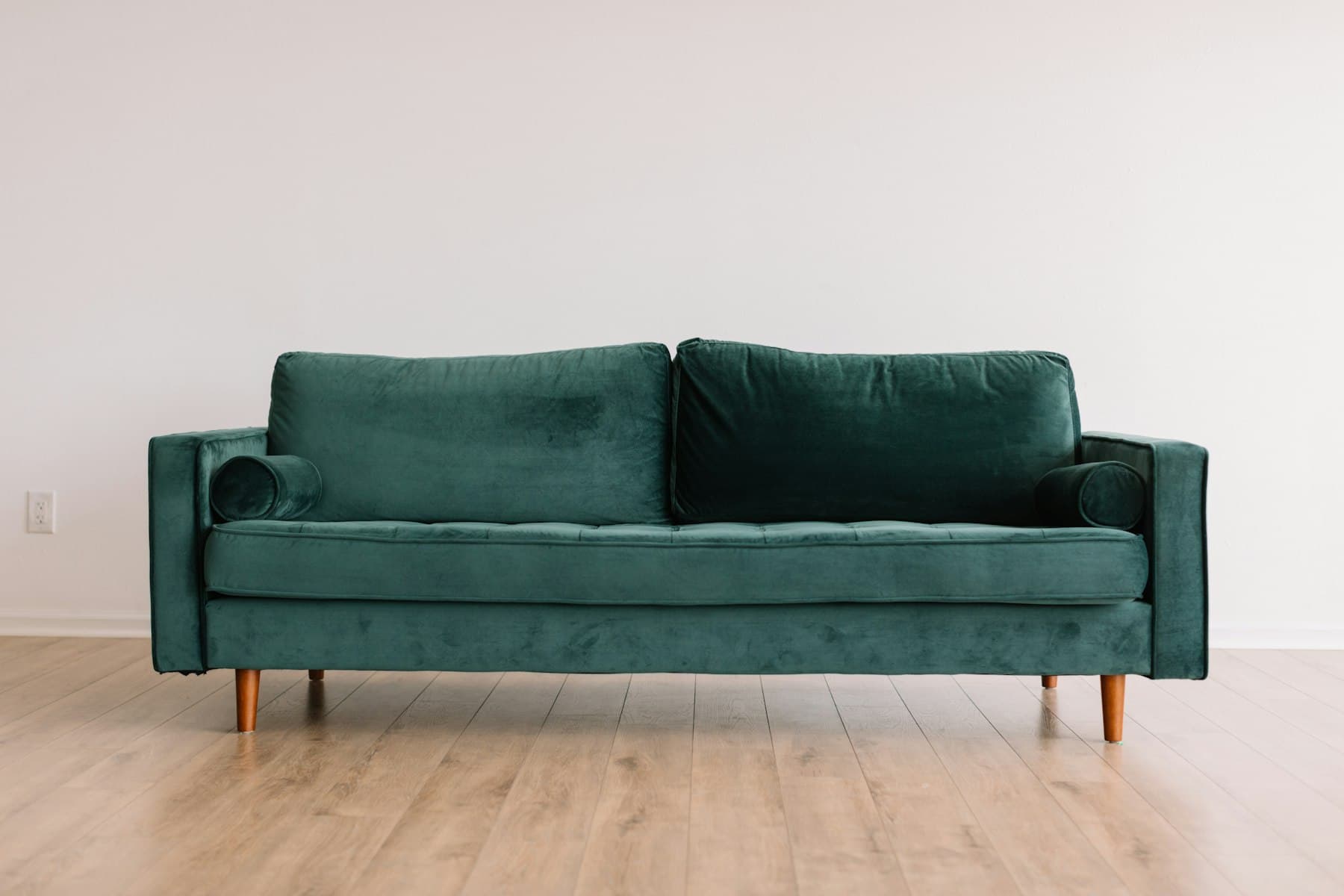
- Sofas: sell if clean and in a popular size; otherwise donate or book a sofa removal.
- Mattresses: almost always dispose — see our guide on getting rid of an old mattress.
- Beds and frames: solid wood frames sell; flat-pack frames rarely do.
- Wardrobes: freestanding quality pieces can sell; built-to-fit units usually go to disposal.
- Dining sets: solid wood and stone tables often sell; chairs sell best as a full set.
- Appliances: working, recent appliances sell or donate well; old or broken ones need proper recycling.
- Outdoor furniture: sun-damaged pieces are rarely worth selling.
A quick way to plan it
- Walk through each room and note every item you won't take with you.
- Mark each one: sell, donate or dispose.
- List the 'sell' items straight away with a firm deadline.
- Contact donation organisations for anything you're giving away.
- After the deadline, move anything unsold to 'donate' or 'dispose'.
- Book one collection for everything that's left.
Mixing all three
Most homes end up with a mix: a couple of pieces to sell, a few to donate and the rest to clear. Sorting early — and booking one collection for everything that's left — saves a lot of back-and-forth. If you're clearing a whole home, our villa move-out checklist walks you through the full timeline.
Frequently asked questions
How can I dispose of old furniture in Dubai for free?
Dubai Municipality offers a free bulky-waste collection in eligible areas, though not in real-estate development zones and free zones. You can also donate clean, working furniture or offer it in community giveaway groups.
Where can I sell used furniture in Dubai?
Online marketplaces, community buy-and-sell groups and dealers who buy used furniture. Private sales usually pay more; dealers are faster and collect from your home but offer less.
Where can I donate furniture in Dubai?
Registered charities and community organisations accept household items, but requirements vary and many don't take mattresses. Always call first to check what they accept and whether they collect.
Can I leave old furniture next to the building bins?
Usually not. Most buildings and communities don't allow bulky items in bin rooms, corridors or car parks, and management may charge for removing them. Book a proper collection instead.
What happens to furniture collected by a removal company?
A responsible company routes usable pieces to donation or resale, separates recyclable materials such as metal and timber where facilities allow, and takes the rest to a licensed disposal site.
How quickly can furniture be collected in Dubai?
Private removal services often have same-day or next-day slots. Municipality collections are scheduled in advance, so allow more time if you plan to use the free service.
Do removal companies take furniture that could be donated?
Good ones do, and they route usable pieces to donation or resale rather than disposal. Ask how they handle reusable items when you book.
Is it worth selling an old sofa?
If it's clean, a popular size and in good condition, yes. Very large, stained or sun-faded sofas rarely sell, so donating or booking a removal is usually quicker.
Want us to handle it?
Send a few photos on WhatsApp and we'll reply with a fixed price. Same-day pickups across Dubai, 7 days a week, 6:00 AM – 11:00 PM.